The Science Behind EFT for Couples: Why It Works
Emotionally Focused Therapy for couples is not just a set of soothing conversations or a clever technique. It is a structured, research-backed method that reorganizes the emotional music of a relationship. When partners feel alienated, they react quickly and protectively. EFT turns that reflexive dance into a responsive one. The shift looks subtle in the room, a different word here, a slower breath there, yet inside the brain and body there is a cascade of change that helps love stick.
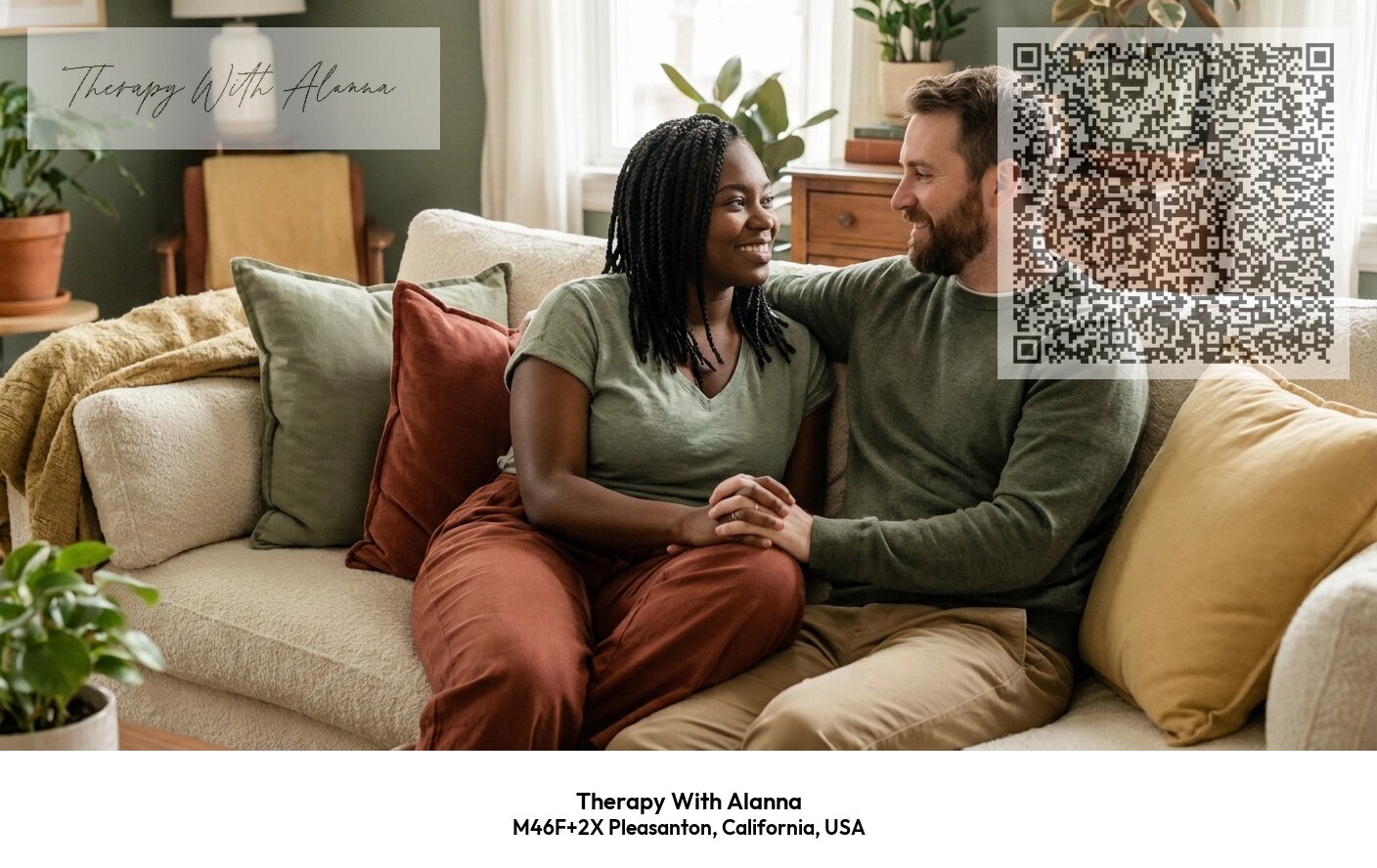
I have sat with couples who were only speaking through clenched teeth, with arms crossed and eyes down. An hour later, the room feels warmer. Someone has turned toward the other and said, I get scared when I do not hear from you, I start to believe I do not matter. That is not a magic phrase. It is a reorganized signal inside an attachment bond. EFT helps make that shift reliably.
What EFT Is Really Doing
EFT for couples, developed by Dr. Sue Johnson and colleagues, is a short term, structured form of couples therapy grounded in attachment theory. The aim is simple to say and rigorous to achieve: create a secure bond where both partners can reach for each other and get a responsive, emotionally attuned answer.
Practically, EFT unfolds in three broad phases. First, you de-escalate the negative cycle. The therapist helps the couple map their reactive loop, like pursuer shuts down partner, partner withdraws more, pursuer escalates. Second, you restructure interactions so that vulnerable emotions, not just secondary anger or numbness, come forward. Partners take risks, name fears, and ask clearly for connection. Third, you consolidate new patterns of contact, so that the relationship has muscle memory for tough moments. This is not about perfect communication. It is about safe attachment, which, in adult love, functions like a secure base and a safe haven.
Many couples arrive certain their content is unique and insurmountable. The pattern is surprisingly predictable. Beneath content like dishes, sex, in-laws, money, or texting habits, we find the same organizing questions. Are you there for me. Do I matter. Will you turn toward me. EFT focuses on those questions directly, which changes how all the content plays out.
The Attachment Science Under the Hood
Adult romantic bonds behave like attachment bonds. That is not a metaphor. When you fall in love, your partner becomes the primary regulator of your nervous system outside of your body. Experiments where partners are stressed while holding the hand of a loved one show reduced threat responses in pain centers and increased activity in regions linked to emotion regulation. Heart rate variability, a marker of vagal tone and resilience, often improves when people experience reliable responsiveness from a partner. Functional MRI studies point to decreased amygdala activation in the presence of a safe other.
Attachment theory predicts that when we sense disconnection or unavailability, our threat system turns on. We either protest, often with criticism or intensity, or we shut down and avoid, often with detachment or quick problem solving that ignores emotion. EFT leans on this model. If a protest looks like nagging, the therapist listens for the attachment alarm underneath and helps that experience emerge clearly. The protest transforms from Why did you not text me back into When I did not hear from you, I panicked that I was not important, and I got loud trying to pull you closer.
This is not sentimental. The precision matters. Partners can respond to vulnerability with care, but they usually defend against attack. EFT aims for the former. Once the alarm is named as fear, longing, or shame, the other partner can reground, take the message in, and often feel their own deeper story activate. Two attachment systems hook back up. The cycle that used to run automatically starts losing power.
The Neurobiology of Co‑regulation
Anxiety, anger, and shutdown are not random moods. They are states of the autonomic nervous system. In fights, bodies move to mobilization, sympathetic arousal, or to dorsal collapse, a numb, checked out state. People try to argue about time stamps or rules while their physiology is in a completely different gear. It does not work.
EFT sessions intervene at that physiological level by slowing pace, tracking breath and body cues, and creating moments of successful reaching and receiving. Eye contact sustained for an extra second, a hand that remains extended, a softer tone, those small shifts move nervous systems from defense to social engagement. When a partner risks saying I https://therapywithalanna.com/ missed you last night and the other responds with I did not know you were aching like that, of course I want to make that better, the bodies in the room exhale. Oxytocin release and prefrontal regulation tend to rebound when people experience safety. This is why you see tears when criticism gives way to softer grief. That is not collapse, it is reopening.
Couples report that after several successful sessions, they can repair faster at home. That is exactly what you would expect once co‑regulation pathways are reestablished. The brain learns through repetition and emotionally salient experience. EFT engineering creates those experiences on purpose.
Mapping the Negative Cycle
Every couple has a pattern. In EFT we name it, externalize it, and treat it as the enemy rather than each other. People sometimes resist that idea at first, it can feel like a dodge. Yet when we track sequences precisely, it becomes obvious. One partner, let us call her Tasha, gets worried she is alone in the relationship, her heart rate spikes, and she reaches in the only way she trusts will get a response, by intensifying. Marco feels overwhelmed, fears failing, and tries to minimize the problem, or he goes quiet to avoid making things worse. Tasha experiences his quiet as confirmation that she does not matter, she escalates. He retreats further. The cycle wins.
Once the pattern is on the whiteboard, it loses its invisibility. Partners can catch the shift earlier. They begin to view their own moves not as character flaws, but as protective strategies. That reframe is vital. Criticism often has loneliness under it. Stonewalling often has shame or fear of inadequacy under it. When each partner feels seen in their protective logic, they can experiment with new moves. EFT helps Tasha risk saying I feel panic and it turns into attack, I do not want that, can you reassure me now. EFT helps Marco say When you come in hot I freeze and feel like I cannot win, I actually want to be close but I need a second to settle. In those moments, different outcomes become available.
How an EFT Session Actually Works
A competent EFT therapist does more than referee. The work is carefully sequenced. Early sessions often emphasize de‑escalation, which means tracking interactions in slow motion, reflecting, and deepening until each partner is naming primary emotions instead of secondary defenses. The therapist shapes enactments, brief live interactions where partners address each other directly. It looks simple. It is not. The therapist is always calibrating, containing, and amplifying in just the right ratio so that risk feels manageable and meaning lands.
Later sessions become more experiential. A partner might express a long‑carried grief, or a raw fear that seems young. The other is invited to respond from attachment, not from counterargument. Couples practice responsiveness in the moment, which is what changes everything. The therapist helps integrate those moments into a coherent narrative, so that meaning sticks. You want partners to walk out thinking, When we get stuck, it is that loop again, and we know how to find each other.
EFT is not endless. Many couples complete a course of therapy in roughly 8 to 20 sessions, sometimes more if trauma, affairs, or complex mental health issues are part of the picture. Couples intensives compress this arc into a few days, usually six to twelve hours of focused work. The intensity can be powerful, particularly for couples who live far from trained providers or are in acute distress. Good intensives include follow up, otherwise gains can fade as old pressures return.
What Makes EFT Effective
Here are the core mechanisms that, in my experience and in the research literature, account for why EFT for couples works.
- It targets attachment needs directly, not indirectly through problem solving alone, so the bond changes at the level where security is actually built.
- It reorganizes emotional signals from secondary defenses to primary emotions, which the human brain is wired to receive and respond to.
- It engineers corrective experiences in session, with structured enactments that install new, embodied memories of reaching and receiving.
- It calibrates arousal, moving partners from threat states to social engagement, so learning and empathy can occur.
- It consolidates a new shared narrative, so the couple has language and images to find their way back when stress returns.
If you have ever watched a fight shift on a dime after one partner says, I am scared, and the other softens, you have seen these mechanisms at work.
What the Evidence Shows
Couples therapy is notoriously hard to study well, given the complexity of human relationships. Even so, EFT has accumulated a solid research base. Across multiple studies and meta‑analyses, between roughly 70 and 75 percent of couples move from distress into recovery by the end of treatment, and a larger share, often cited near 90 percent, report significant improvement. Effects tend to hold at follow up intervals of months to years, which is critical. Change that lasts is what matters.
When EFT is combined with careful attention to individual factors like trauma history, depression, anxiety, or ADHD, outcomes remain strong. The model is flexible enough to incorporate adjuncts without losing its spine. Studies have included diverse couples, though like all therapy research, more work is needed with same‑sex couples, non‑monogamous constellations, and across cultures. Clinicians should not overclaim. Results vary, and fit with therapist and model matters.
Physiological studies, while fewer, lend credibility to the mechanism story. Decreased autonomic reactivity during partner support tasks, improved perceived security, and changes in neural response to threat in the presence of a partner have all been documented. Those data points line up with what we see in the room when a couple reengages.
EFT, the Gottman Method, and Skill Building
People often ask whether they should choose the Gottman method or EFT. They are not enemies. They are different lenses and can complement each other. The Gottman approach draws heavily on decades of observational research and offers practical tools around conflict management, bids for connection, and building a culture of appreciation. The famous Four Horsemen framework can help couples spot corrosive moves like criticism and contempt.
EFT goes after the emotional engine underneath those moves. If a couple uses Gottman tools to stay out of trouble but still lacks a felt sense of safety, the changes can feel fragile. If a couple builds secure attachment via EFT but never practices concrete rituals for connection or repair, they may get avoidable friction from logistics. In practice, many therapists borrow across models. I often use a Gottman style stress reducing conversation at the end of a heavy EFT session to give partners a structured way to reconnect about daily life. The key is coherence, not brand loyalty.
ADHD and the EFT Frame
ADHD therapy for couples requires special attention to pacing, working memory, and shame. In ADHD relationships, the negative cycle often springs from missed cues and inconsistent follow through, which the non‑ADHD partner experiences as not caring. The ADHD partner, who may have heard decades of criticism, feels defeated and withdraws or defends.
EFT helps by moving the conversation from intention versus impact to attachment needs. The non‑ADHD partner can say, When texts go unanswered, my mind spins that I am not important, and the old fear of being alone flares. The ADHD partner can say, I lose track, not because you do not matter, but because my brain drops the thread and I get ashamed, then I hide. Once vulnerability is on the table, practical solutions have a place again. We layer in routines that respect neurobiology, like visual reminders, shared calendars, and two minute check ins at set times. Medication, coaching, and behavioral strategies matter, but they land better in a secure bond. Without that bond, tools often feel like more demands.
Therapists need to adjust session structure. Keep enactments tighter, use visual aids for the cycle map, and celebrate micro‑successes to counter learned helplessness. I also name the dopamine economy openly, so both partners understand why novelty helps and how to build it without blaming character.
When Intensives Make Sense
Couples intensives are not a shortcut, they are a shift in dosage. A well designed intensive can compress weeks of momentum into a weekend. You clear the underbrush of reactive patterns, create early bonding events, and get the couple practicing responsiveness while the experience is fresh. Intensives tend to work best for couples with high motivation, safe enough dynamics to tolerate longer sessions, and logistical barriers to weekly therapy.
They are less ideal if there is active violence, severe substance use without containment, or one partner is ambivalent about continuing the relationship. In those cases, weekly sessions provide better monitoring and the slower tempo needed for safety. If you pursue an intensive, ask about the therapist’s EFT training level, structure of the days, planned breaks, and follow up. I like to include a 30 day check in and, when possible, a handoff to local Couples therapy for maintenance.
What Progress Looks Like in Real Life
Jaclyn and Amir came to me after eight years together, two kids, and repeated fights that left them sleeping back to back. She pursued, he shut down, the classic dance. By the third session, they could map the loop without flinching. In the fifth, she cried for real and said, I hate how I turn you into the enemy when I am scared. He swallowed hard and said, When you raise your voice, I feel like a failure and disappear, but I am right here wanting to hold you. They held hands in the office, a first.
At home, they still argued. The dishwasher still caused trouble. The difference was repair speed. Fights shortened from hours to 20 minutes. He texted during late days at work, a simple I am thinking about you, I will call at 6. She learned to name the pinch at a 3 before it hit an 8. When their older child had a rough week, they tag teamed instead of sniping. The gains were not linear, but they compounded. That is typical. Attachment is built through thousands of small cues. EFT aims those cues in the right direction.
Measurement, Not Guesswork
I encourage couples to track progress with simple measures. Rate felt safety with your partner from 0 to 10 at the end of each week. Track repair time after conflicts. Note frequency of affectionate, non‑instrumental contact. Numbers will wobble. That is fine. When numbers trend up and stay up, you have evidence that the bond is strengthening. If your felt safety score drops for several weeks, that is information to bring into session.
Therapists also use standardized measures. The Dyadic Adjustment Scale or the Couples Satisfaction Index can quantify change. I use a short attachment related measure every few sessions to check whether partners feel more able to reach and receive. Data keeps us honest. If things are not budging, we reconsider hypotheses, add adjuncts, or adjust tempo.
Limits, Edge Cases, and How EFT Adapts
Most couples benefit from EFT, but not all. Some conditions require careful sequencing or extra supports.
- Active coercive control or violence means safety planning comes first. EFT is not a first line intervention for dangerous dynamics.
- Severe substance use, mania, or psychosis can destabilize couples work. Stabilize the individual condition and then reengage as appropriate.
- Ongoing affairs or secrets undermine the trust needed for vulnerable work. Disclosure and boundary setting often precede deeper EFT moves.
- Neurodivergence, trauma, and cultural context shape expression of emotion and bids for connection. The model adapts, but the therapist must, too.
- Relationship ambivalence may call for discernment counseling to clarify commitment before diving into bonding work.
These are not reasons to give up. They are reasons to tailor the plan. A seasoned therapist will discuss these openly and chart a path that respects safety and readiness.
What It Feels Like When EFT Is Working
Partners describe a shift from scanning for danger to scanning for the other. Silence becomes rest rather than distance. Jokes return. Sex stops being a referendum on worth and becomes a place to play. People sleep better. The pragmatics of life do not vanish, but the felt sense of together in it does more of the heavy lifting.
In sessions, I know we are on track when a pursuer can ask for comfort without accusation, and a withdrawer can stay present while feeling inadequate, and both leave feeling more connected than when they walked in. That is secure attachment built in real time. Once a couple has that thread, they can follow it back even after a bad week.
Finding an EFT‑Trained Therapist
Training matters. EFT has a clear map, and therapists trained in the model tend to use language, pacing, and interventions that create safety faster. Look for practitioners who have completed core skills or certification in EFT for couples. Ask how they structure sessions, how they handle escalations, and how they decide when to move from de‑escalation to bonding events. If you are considering Couples intensives, ask about screening, crisis plans, and aftercare.
Compatibility matters, too. You should feel that the therapist sees both of you, not keeping score but keeping the process honest. If the room feels like a courtroom, that is not EFT.
A Final Thought on Why It Works
Love is a regulating force. When you can reliably reach for your partner and find them reachable, your nervous system rests. From that rest, your best self shows up more often. EFT is effective because it restores that reach and response with surgical care, session by session. It honors that adult love is not just romance or logistics. It is a living attachment bond shaped by biology, history, and daily choice.
For couples weighing options, consider what you most need. If you want more tools, the Gottman method offers a strong toolkit. If you want the ground itself to feel safer, EFT for couples is designed for that shift. If ADHD is in the mix, build the bond and the scaffolding. If time is short or distress is acute, explore intensives with eyes open. The goal is not to be model purists. It is to build a relationship where both of you can say, I can find you when I need you, and I can be found. That is why EFT works, and why, with practice, its effects last.
Therapy With Alanna NAP
Name: Therapy With AlannaAddress: 74 Neal St Suite 201, Pleasanton, CA 94566
Phone: +1 350-249-2911
Website: https://therapywithalanna.com/
Email: [email protected]
Hours:
Sunday: 9:00 AM–5:00 PM
Monday: 9:00 AM–7:00 PM
Tuesday: Closed
Wednesday: Closed
Thursday: 9:00 AM–8:00 PM
Friday: 12:00 PM–9:00 PM
Saturday: Closed
Open-location code: M46F+2X Pleasanton, California, USA
Latitude/Longitude: 37.6601033, -121.8750829
Map/listing URL: https://www.google.com/maps/place/Therapy+With+Alanna/@37.6601033,-121.8750829,685m/data=!3m2!1e3!4b1!4m6!3m5!1s0x42234c33c2acfbcf:0x10503be7a528c289!8m2!3d37.6601033!4d-121.8750829!16s%2Fg%2F11wv78n_c5
Embed iframe:
Socials:
Facebook: https://www.facebook.com/profile.php?id=61585072978215
Instagram: https://www.instagram.com/therapywith_alanna/
LinkedIn: https://www.linkedin.com/company/therapy-with-alanna
TikTok: https://www.tiktok.com/@therapywithalanna
YouTube: https://www.youtube.com/@TherapywithAlanna
Therapy With Alanna is a Pleasanton, CA counseling practice offering relationship-focused support for couples and individuals, with in-person sessions locally and telehealth options across California.
Alanna Esquejo, LMFT, works with partners navigating communication strain, recurring conflict, neurodivergent relationship dynamics, affair recovery, and relationship repair.
The practice is based near Downtown Pleasanton and serves clients from Pleasanton, Dublin, Livermore, San Ramon, Danville, and nearby East Bay communities.
Therapy With Alanna may be a helpful fit for couples who want structured, compassionate conversations about patterns that keep repeating in their relationship.
In-person appointments are available in Pleasanton, while online therapy options are available for clients located in California.
The practice lists a direct phone line and email for consultation requests, making it easier for prospective clients to ask about availability before scheduling.
To contact Therapy With Alanna, call +1 350-249-2911 or visit https://therapywithalanna.com/.
The public map listing places Therapy With Alanna at 74 Neal St Suite 201 in Pleasanton; the website footer also references Suite #202, so clients should confirm the exact suite before visiting.
Clients visiting from the Tri-Valley can use the map listing for directions to the Pleasanton office near Main Street, W Neal Street, the Pleasanton Library, and Museum on Main.
Popular Questions About Therapy With Alanna
What does Therapy With Alanna offer?
Therapy With Alanna offers relationship-focused therapy for couples and individuals, including support for communication challenges, recurring conflict, neurodivergent relationship patterns, affair recovery, and relationship repair.
Where is Therapy With Alanna located?
The public local listing places Therapy With Alanna at 74 Neal St Suite 201, Pleasanton, CA 94566. The official website footer also shows Suite #202 in some locations, so clients should confirm the suite before visiting.
Does Therapy With Alanna offer online therapy?
Yes. Therapy With Alanna lists in-person sessions in Pleasanton and online therapy options for clients located in California.
Who does Therapy With Alanna serve?
The practice serves couples and individuals, including clients from Pleasanton, Dublin, Livermore, San Ramon, Danville, the greater East Bay, and clients using telehealth throughout California.
What are the listed hours for Therapy With Alanna?
The public listing shows Sunday 9:00 AM–5:00 PM, Monday 9:00 AM–7:00 PM, Tuesday closed, Wednesday closed, Thursday 9:00 AM–8:00 PM, Friday 12:00 PM–9:00 PM, and Saturday closed. Hours can change, so confirm availability before visiting.
Is Therapy With Alanna a crisis service?
No. Website content is informational and does not replace emergency or crisis care. In an emergency, call 911 or go to the nearest emergency room.
How can I contact Therapy With Alanna?
Call +1 350-249-2911, email [email protected], or visit https://therapywithalanna.com/. Social profiles include Instagram, Facebook, LinkedIn, TikTok, and YouTube.
Landmarks Near Pleasanton, CA
Downtown Pleasanton — A practical reference point for clients visiting the Therapy With Alanna office near the local downtown corridor.
Main Street — A major nearby street for navigating to appointments, local parking, and nearby restaurants before or after a visit.
W Neal Street — The office is listed on Neal Street, making this one of the most useful local orientation points.
Pleasanton Library — A nearby civic landmark that can help clients recognize the area around the office.
Museum on Main — A Downtown Pleasanton landmark near the office area and useful for local directions.
Meadowlark Dairy — A recognizable Pleasanton stop near the downtown area for clients using local landmarks to navigate.
Pleasanton Post Office — A nearby landmark and parking reference for visitors coming into Downtown Pleasanton.
Bernal Avenue — A key route mentioned for visitors approaching Downtown Pleasanton from the I-680 corridor.
Santa Rita Road — A major Pleasanton route that can help clients coming from the I-580 corridor reach the downtown area.
Dublin — Therapy With Alanna serves nearby Tri-Valley clients from Dublin who are seeking in-person care in Pleasanton or online care in California.
Livermore — Clients from Livermore can use the Pleasanton office location for in-person sessions or inquire about California telehealth availability.
San Ramon — The practice lists San Ramon within its broader East Bay service area for relationship-focused therapy support.
Danville — Danville clients can contact Therapy With Alanna to ask about Pleasanton appointments or California online therapy options.